

The 16:9 and 1:1 discussion - Which Format is best for your product & platform?
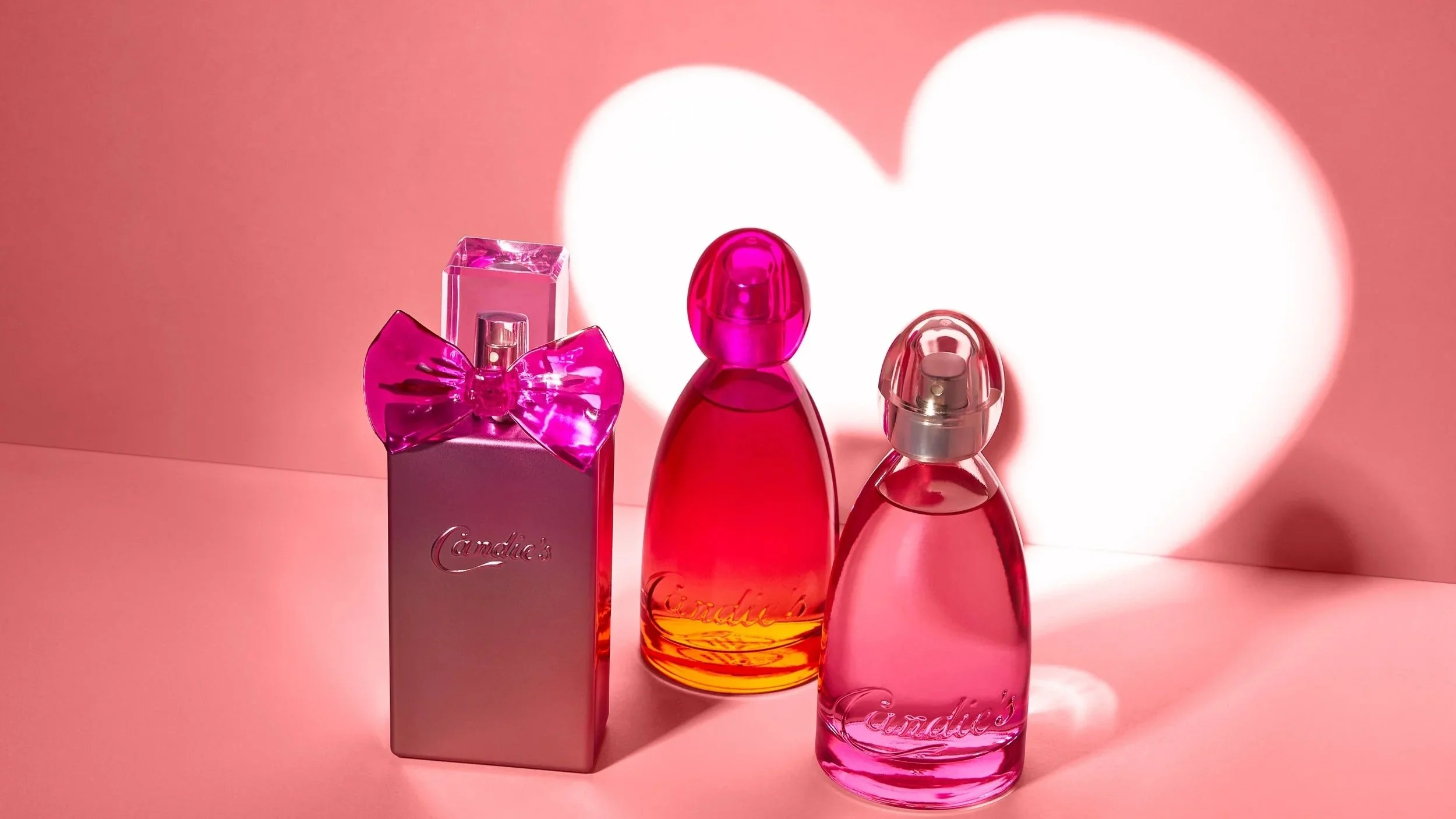
16:9 is a widescreen format
Aspect Ratio Guide: Why It Matters for Product Photography, Social Media, and Websites
There is nothing worse than uploading a photo you are excited to show off on your new wesbite or social media feed donly to realize that the photo looks blurry, pixelated, or stretched out. If this sounds familiar, you've run into the one problem people tend to not plan for: aspect ratio.
It seems technical, and it is, but getting it wrong can ultimately cost you sales, engagement, and worst of all, polish. That's why understanding what you're photographing, and discussing aspect ratio with your photographer before the shoot, matters more than most people realize. Let's dive in.
What Is Aspect Ratio?
Aspect ratio is the relationship between an image's width and height, expressed as a ratio like 4:5 or 16:9. We'll go over the numbers next, but what matters most is this: every platform, every placement, and every use case has its own aspect ratio expectations. When an image doesn't match, it gets compensated for through stretching, pixelation, letterboxing, or awkward cropping.
Standard Aspect Ratios and What They're Used For
1:1 (Square) — Product grids, Instagram feed (classic), profile thumbnails
4:5 (Portrait) — Instagram feed (current favorite), Pinterest
9:16 (Vertical) — Instagram/Facebook Stories, Reels, TikTok
16:9 (Widescreen) — Website hero banners, YouTube thumbnails, presentations
3:2 or 4:3 — Traditional product and lifestyle photography, print
Here are two examples below:

1:1 Square Format.
Perfect for product grids and profile thumbnails!
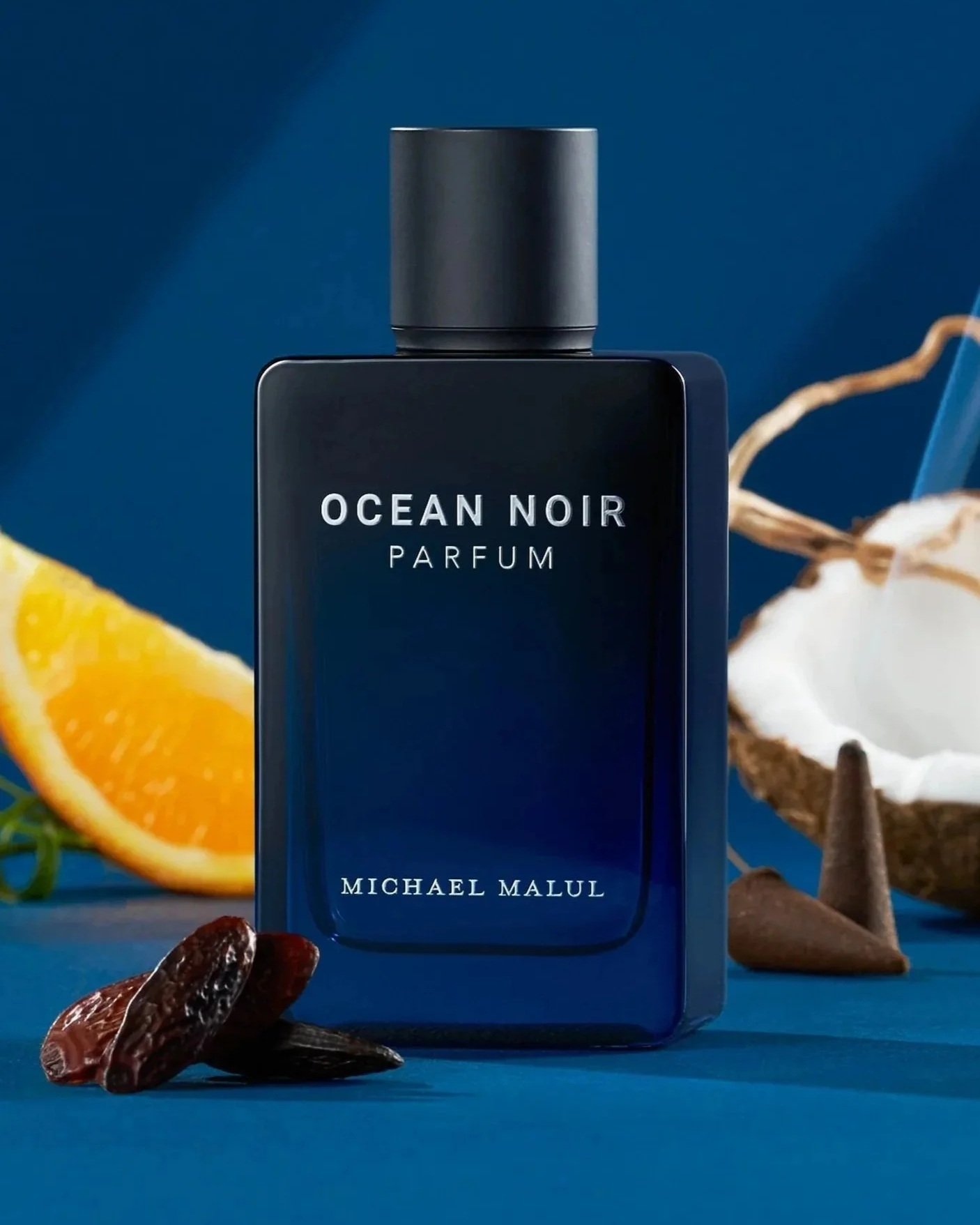
4:5 Portrait
Perfect for social media posts!
There are other ratios worth knowing depending on the mood, tone, and platform an image is being placed on, but the ones above are the most common and the ones you'll most likely use for your website banners, product images, and social media posts.
Why Aspect Ratio Is Different for Every Use Case
The aspect ratio you need depends on what you're trying to show or explain to the consumer. Here's how that plays out across the three areas that matter most for most brands: product photography, social media, and websites.
Product photography for e-commerce usually calls for a square (1:1) or near-square crop. Marketplaces like Amazon and Shopify's default product templates are built around this ratio, and shoppers have come to expect it. A square crop also keeps the product centered and undistracted by extra background, which is exactly what you want when a customer is comparing five water bottles in a grid view.
Social media is its own universe, and it's gotten more fragmented, not less. Instagram feed posts now favor 4:5 portrait crops because they take up more vertical scroll space. Stories and Reels are shot at 9:16, filling the full vertical screen. Even within a single platform, one photo might need three different crops depending on where it's going to live. Shooting with each of these formats in mind from the start, rather than force-fitting one crop into every slot afterward, saves a lot of headaches down the line.
Websites tend to be the most flexible use case, but also the most unforgiving when the ratio is wrong. Hero banners are typically wide (16:9 or wider) to fill a browser window without feeling cramped. Product detail pages usually call for a clean square or 4:5 crop so images line up neatly in a grid. When a photo shot for one purpose gets forced into another, you'll often see faces or products cut off at the edges, or awkward empty bars filling the frame.
How to Shoot for the Right Aspect Ratio
The best time to solve an aspect ratio problem is before the shutter clicks, not after. As you plan a shoot, think about why and where the shots will be used. Is the goal to show off a product in a grand, hero-style image, or to fuel a quick, clickable Reel? Always factor in how a given platform's most popular format works before you decide how to frame the shot.
If you're shooting for a website banner, make sure your photographer frames more widely than the final crop, so you have room to crop to your layout without losing the subject. The same goes for Instagram posts and social media Reels: shooting dedicated frames for each format from the start, instead of trying to make one photo work everywhere after the fact, is the surest way to get images that hold up wherever you place them.
Conclusion
I hope this gave you a clearer sense of why aspect ratio plays such an important role in your photography projects. Platforms like TikTok, Instagram, and Facebook each favor different ratios, and there's real reasoning behind those choices and how they drive engagement. Next time you're scrolling, take a moment to notice the ratios being used and why — it might spark some ideas for your own work!
If you ever have questions or want to talk through your next project, please don't hesitate to reach out.
